
Replacing your HVAC system is a big purchase, and the price can feel all over the map. One homeowner hears a number that seems reasonable, another gets a quote that’s thousands higher, and both wonder the same thing: what am I actually paying for? The truth is, HVAC replacement cost isn’t a “one-size-fits-all” number. It’s driven by specific variables in your home and the choices you make in equipment, efficiency, and installation quality. In this guide, we’ll break down the real factors that affect the price of an HVAC replacement so you can compare options confidently and avoid surprises.
Key Takeaways
-
There is no single “standard” HVAC replacement price. The cost depends on your home, your system type, and how the installation is handled, not just the equipment itself.
-
Installation quality matters as much as the system you choose. A properly sized and professionally installed system will perform better, last longer, and save money over time.
-
Understanding the variables helps you make a confident decision. When you know what affects the price, you can compare estimates accurately and choose what’s right for your home, not just the lowest number.
The Basics of HVAC Replacement Costs
When homeowners begin researching HVAC replacement, the first thing they notice is how wide the price range can be. One estimate may seem surprisingly low, while another feels significantly higher, even though both are for a full heating and cooling system replacement. This can make it difficult to know what a fair HVAC replacement cost actually looks like.
The reason for this variation is simple: there is no flat price for replacing an HVAC system. The total cost of an HVAC replacement depends on multiple factors, including the size of the home, the type of heating and cooling system being installed, efficiency ratings, and the amount of labor required. Additional considerations such as ductwork condition, electrical upgrades, and local code requirements also play a role in determining the final price.
By understanding what affects HVAC replacement pricing, homeowners can better evaluate estimates and avoid focusing solely on the lowest number. A properly sized, professionally installed HVAC system delivers better comfort, efficiency, and long-term reliability, making it a smarter investment for your home.
System Size and Proper HVAC Sizing
One of the most important factors affecting HVAC replacement cost is system size. HVAC systems are not chosen based on brand or guesswork, but on the specific heating and cooling needs of your home. Square footage, ceiling height, insulation levels, window placement, and overall home layout all influence how much capacity your HVAC system requires.
Proper HVAC sizing is determined through a load calculation, which measures how much heating and cooling your home actually needs to stay comfortable year-round. Installing a system that is too small can lead to uneven temperatures, higher energy bills, and premature equipment wear. On the other hand, an oversized HVAC system may short-cycle, reducing efficiency and causing unnecessary strain on components.
Because correct system sizing directly impacts performance, comfort, and longevity, it also affects the total cost of HVAC replacement. Taking the time to size a system properly ensures your new HVAC equipment operates efficiently and delivers consistent comfort throughout your home.
System Type and HVAC Equipment Options
The type of HVAC system you choose has a significant impact on the overall cost of replacement. Traditional split systems, heat pumps, dual-fuel systems, and packaged units all come with different equipment requirements and price ranges. Each system type is designed to meet specific comfort needs, climates, and home layouts.
Higher-end HVAC systems often include advanced components such as variable-speed motors, communicating thermostats, and enhanced temperature control. While these systems typically have a higher upfront HVAC replacement cost, they can provide better comfort, quieter operation, and improved energy efficiency over time. Choosing the right system type is about balancing initial cost with long-term performance and reliability.
Energy Efficiency Ratings and Features
HVAC efficiency ratings play a major role in pricing. Furnaces are rated by AFUE, while air conditioners and heat pumps use SEER and HSPF ratings. Higher efficiency HVAC systems generally cost more due to improved internal components and technology.
In addition to lower energy usage, high-efficiency HVAC equipment often delivers more consistent indoor temperatures and better humidity control. While not every home requires top-tier efficiency, understanding how energy efficiency affects HVAC replacement cost helps homeowners choose equipment that fits both their budget and comfort expectations.
Ductwork Condition and Modifications
Ductwork is often overlooked during HVAC replacement, but it directly impacts system performance and cost. Leaky, undersized, or poorly designed duct systems can reduce efficiency and limit comfort, even with new equipment installed.
If ductwork repairs or modifications are required, this will increase the total HVAC replacement price. However, addressing duct issues during replacement ensures proper airflow, better energy efficiency, and improved system longevity. Estimates that ignore ductwork concerns may appear lower but can lead to performance problems later.
Installation Quality and Labor Costs
The quality of HVAC installation is just as important as the equipment itself. Proper installation involves correct setup, airflow balancing, electrical connections, refrigerant charging, and system testing. Skilled labor and attention to detail take time and experience.
Lower-priced HVAC replacements may cut corners on installation, which can lead to inefficiency, comfort issues, and early system failure. Investing in professional HVAC installation helps protect your equipment and ensures your system operates as designed for years to come.
Permits, Codes, and Safety Requirements
HVAC replacement must meet local building codes and safety regulations. Permits, inspections, venting changes, electrical upgrades, and safety controls all affect the final cost of an HVAC replacement.
While these requirements may not be visible once installation is complete, they play a critical role in protecting your home and family. Code-compliant HVAC installation ensures safe operation and helps avoid future issues during home inspections or resale.
Indoor Air Quality Upgrades
Many homeowners choose to address indoor air quality during an HVAC replacement. Whole-home humidifiers, air filtration systems, air purifiers, and ventilation upgrades can be added to improve comfort and air quality.
Indoor air quality solutions increase the total HVAC replacement cost, but they also address issues such as dry air, allergens, and uneven humidity. Adding IAQ upgrades during replacement is often more cost-effective than installing them later.
How Our Membership Helps Lower Long-Term HVAC Costs
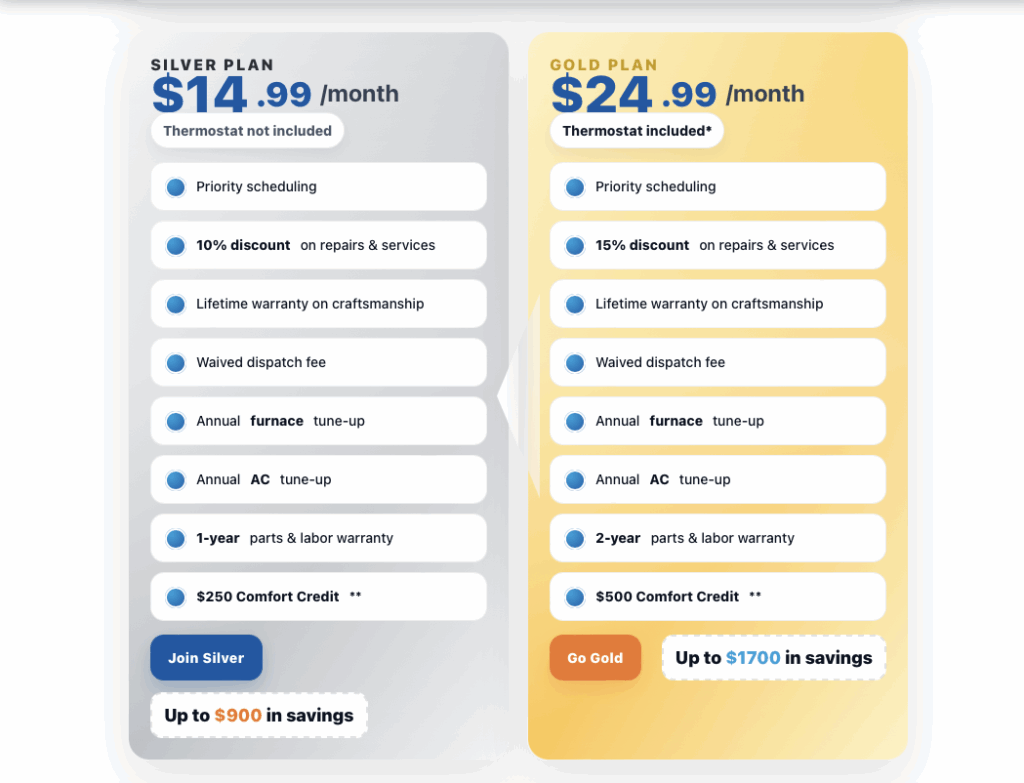
At R3 Heating & Air, our membership program is designed to help homeowners protect their HVAC investment and manage long-term costs. Members receive priority service, routine maintenance, and exclusive discounts on repairs, replacements, and indoor air quality products.
Regular HVAC maintenance helps systems run more efficiently, reduces unexpected breakdowns, and extends equipment lifespan. Over time, membership benefits can significantly reduce the overall cost of ownership for your heating and cooling system.
Why Our Team Makes the Difference
An HVAC replacement is only as good as the team installing it. Our technicians are trained, experienced, and committed to doing the job the right way. From accurate system sizing to clean, professional installation, our team focuses on quality, safety, and long-term performance.
We believe in clear communication and honest recommendations. Our goal is to help homeowners understand their options and feel confident in their HVAC replacement decision, not pressured into a sale.
Final Thoughts on HVAC Replacement Costs
Understanding what affects HVAC replacement cost empowers homeowners to make informed decisions. While price is an important consideration, comfort, efficiency, and installation quality should never be overlooked.
A properly designed and professionally installed HVAC system is an investment in your home’s comfort and reliability. When you are ready to explore your HVAC replacement options, choosing a trusted HVAC contractor can make all the difference.